
Shaping the Next Generation: My Experience at the Nepal Economics Olympiad (NEO)
COMMUNITY
3/18/20222 min read
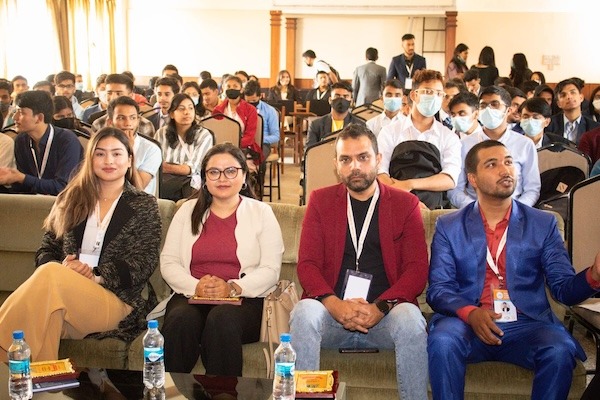
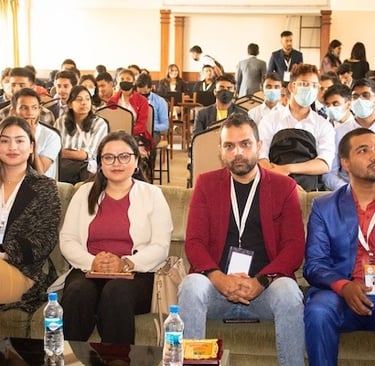
Economics is often called the "dismal science," but after my recent stint as a jury member and trainer for the Nepal Economics Olympiad (NEO), I can confidently say the future looks anything but dismal.
The NEO is more than just a test; it is a premier national platform designed to discover and unite the brightest young minds in economics, business, and finance. For high school students, it’s a grueling but rewarding journey that begins with regional selections and culminates in a high-stakes national competition. The ultimate goal? Selecting five exceptional students to represent Nepal on the global stage.
More Than Just Numbers
As a trainer, my mission was to go beyond the textbooks. We didn’t just talk about Supply and Demand curves; we dove into the complexities of fiscal policy, the nuances of financial literacy, and the ethical dilemmas of modern business.
Watching these students tackle complex problem sets was a reminder that economic literacy is a superpower. These participants weren’t just memorizing definitions; they were:
Analyzing real-world market fluctuations.
Innovating business solutions for the local context.
Challenging traditional financial models with fresh perspectives.
The View from the Jury Desk
Sitting on the jury panel offered a different, equally inspiring vantage point. It was my responsibility to evaluate not just the "correctness" of an answer, but the depth of logic and the originality of thought behind it.
The level of composure shown by these students during the national competition was remarkable. To see 16 and 17-year-olds defend a monetary policy stance or break down a business case study with the precision of a seasoned professional was truly impressive.
Why the NEO Matters
The NEO serves a critical purpose in our educational landscape by:
Providing a Platform: It gives talented students a stage to shine outside of traditional classroom settings.
Global Representation: It bridges the gap between Nepali talent and international standards.
Building a Community: It unites like-minded students, fostering a network of future leaders and change-makers.
Final Reflections
Being part of this ecosystem as a trainer and judge was an honor. It reinforced my belief that when we invest in the intellectual rigor of our youth, we are investing in the economic stability of our nation’s future.
To the participants: whether you made the top five or not, the analytical toolkit you've built during this competition will serve you for a lifetime. Keep questioning, keep calculating, and keep dreaming big.
CONTACT
Reach out anytime for coaching or questions.
Email:
hello@shamimanwar.com
© 2026. All rights reserved. Shamim Anwar