
Walking for the Future: Shamim Coordinating the National ‘Walk for Welfare’ across Australia
COMMUNITY
3/19/20162 min read
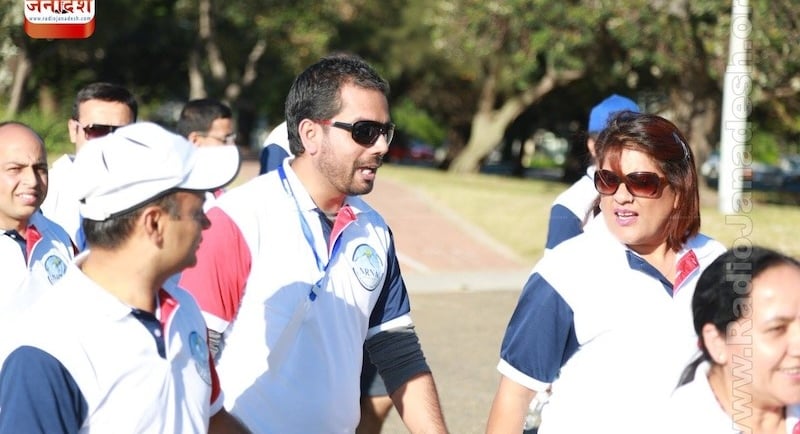
Community is the bedrock of our success, and there is no greater investment than the welfare of our students. As the Coordinator for NRNA Australia’s Walk for Welfare, I am proud to share the journey of a national movement that united the Nepali diaspora from coast to coast to replenish our Student Welfare Fund.
The preparation for this massive undertaking began six months ago. Our mission was clear: to create a sustainable safety net for Nepali students facing unforeseen hardships in Australia. Coordinating an event of this scale required meticulous planning, high-level logistics, and—most importantly—a synchronized effort across every major Australian city.
A Coast-to-Coast Journey of Solidarity
The journey kicked off on March 19 in Sydney, sparking a wave of momentum that traveled across the continent. From the iconic streets of Sydney to the vibrant communities in Brisbane and Melbourne, the energy only grew. We continued the march through Perth and Darwin, finally bringing the event to a successful close in Adelaide.
By walking together in these six cities, we did more than just raise funds; we sent a powerful message to our student community: You are not alone.
Strategic Coordination and Impact
As the coordinator, my focus was on ensuring that the "stress-free" philosophy I apply to my business consulting was reflected in this philanthropic mission. Managing the diverse needs of each state committee while maintaining a unified national goal required:
Rigorous Planning: Six months of backend strategy to ensure safety, visibility, and maximum participation.
Diaspora Trust: Leveraging our deep-rooted connections within NRNA and the wider community to drive fundraising.
Operational Excellence: Ensuring that every dollar raised goes directly toward its intended purpose—supporting students in times of crisis.
The Path Forward
The conclusion of the walk in Adelaide isn't the end of our work; it is the beginning of a replenished fund that will provide immediate relief for medical emergencies, mental health support, and critical assistance for students in need.
I want to extend my deepest gratitude to all the volunteers, state committees, and walkers who turned this vision into a reality. When we combine strategic leadership with a shared cultural purpose, we don't just solve problems—we build a legacy.
CONTACT
Reach out anytime for coaching or questions.
Email:
hello@shamimanwar.com
© 2026. All rights reserved. Shamim Anwar